
For now, the course will use the planets, moons and space stations that are available on Race Day. Race Day is (TBD) and we expect it to be an all day event.[/text_block]
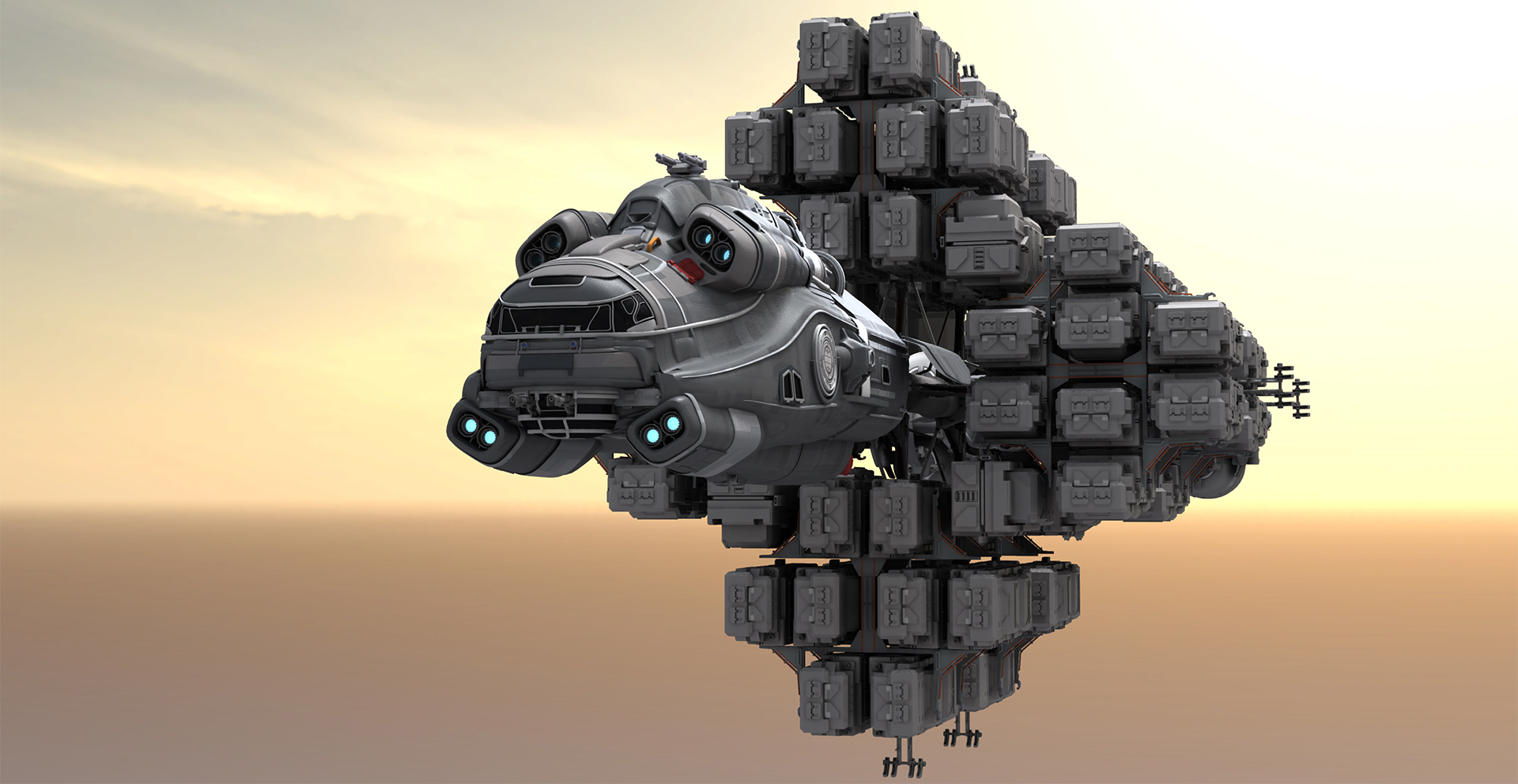
There will also be hazards beyond just the length of the course, that the race crews must avoid, or overcome. Many of the areas are unreported space. That means crews must be on the lookout for pirates, and raiders. Even in reported space, a cargo ship isn’t always safe.
Just finishing the race may prove difficult. A successful crew will be able to quickly and accurately navigate the course, while avoiding its dangers.[/text_block]
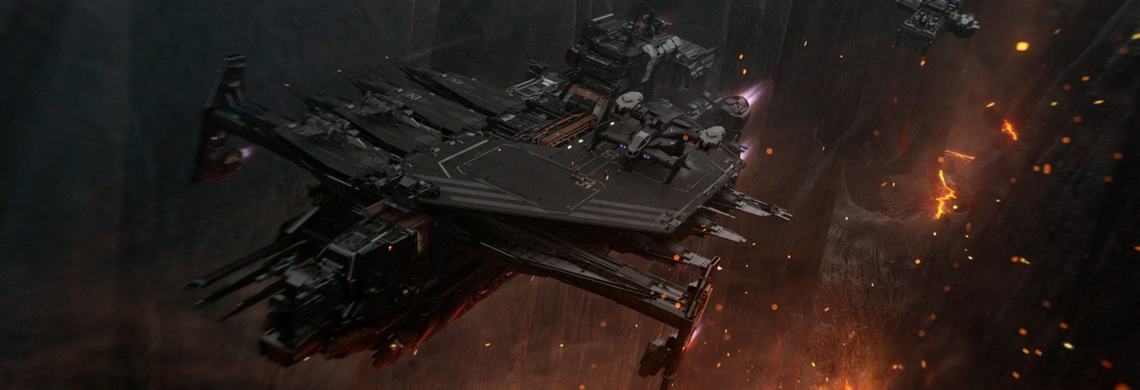
Classes will start the race in staggered fashion, with the larger ships leaving first. While these ships tend to be faster in Quantum Travel, much of the race will be at lower relative speeds.
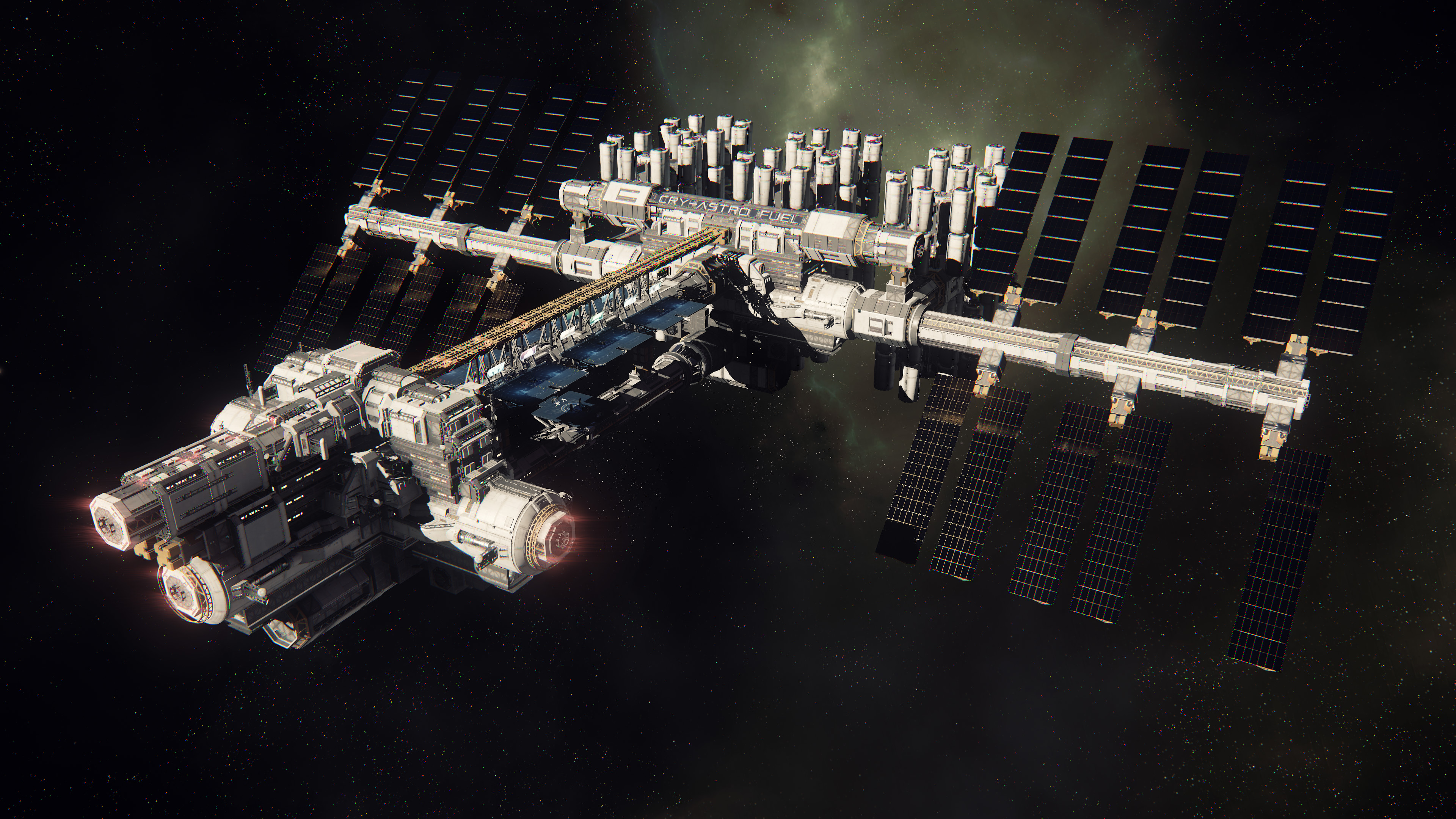
Race crews will be required to maneuver their ships around celestial markers without Quantum Drive. These markers may be space stations, moons or planets. Maneuvering around a station requires precision. Orbiting a planet requires skill. The best pilots will make the markers in the fastest time.[/text_block]
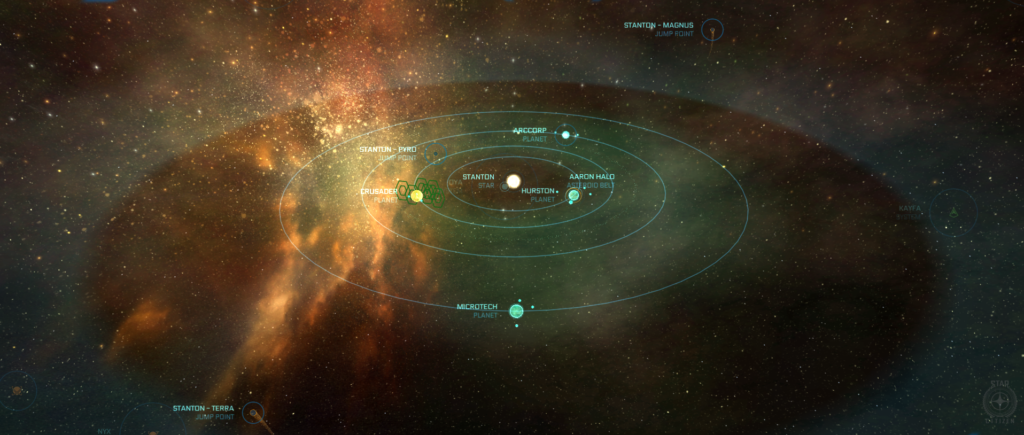
The Race Committee is currently working out the details of the course. Once the course is finalized, it will be posted, so that viewers can follow along as the race unfolds. This is an annual community event, so the course will change each year, to incorporate new elements of the Persistent Universe.[/text_block]
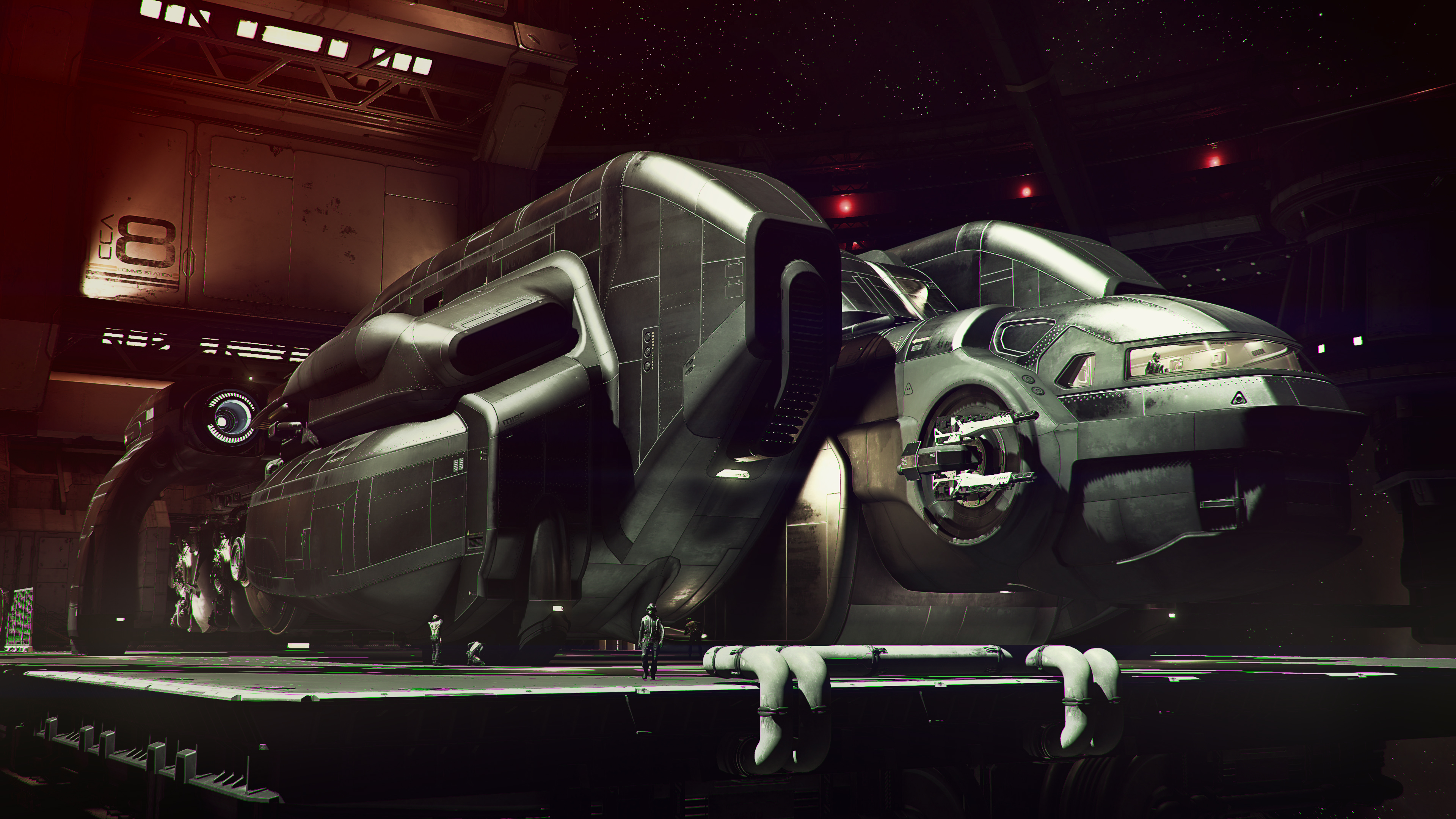
These craft are for support only. They cannot be used as an escort. Such use is an automatic disqualification. Even while supplying their race craft, these support ships are unable to use their guns. That means race crews will need to plan when and where to request support, for best results.[/text_block]

This is both a requirement of CargOlympic Tryouts, and what Haulers do for a living. The best crews are fast, efficient, and accurate. Race Officials will be posted at all Depots to determine if crews make the required stop, and if they accurately unload and reload the correct cargo.
Race Officials are neutral parties, and will not correct a crew, if they unload or load the wrong cargo. They simply note any rules violations by a crew and ship.
Cargo can be anything, from gold to industrial waste. Vehicles may also be hauled as cargo. Cargos are rotated each year, so no one knows exactly what will be hauled during the race, until a few days before the race. Live cargo is another requirement for CargOlympic Tryouts. Simulated cargo can only go so far.[/text_block]
Event announcers will give color commentary, as the race unfolds. For those who prefer to watch specific races, stream links will be provided and labeled. You can watch the race, the way you prefer.
An exciting day of racing is expected by all, whether you are a race participant, volunteer, or spectator. We hope to see you at the next Stanton Loop.[/text_block]